What Is Sexual Rehabilitation in Pelvic Health Physiotherapy? Support for Men & Women
- May 26
- 5 min read
When most people think of pelvic health physiotherapy, they think of bladder leakage or recovery after childbirth. But there is a whole dimension of pelvic health care that often goes unspoken: sexual rehabilitation. This is a legitimate, evidence-based area of physiotherapy practice, and for many people, it can be life-changing.
Sexual rehabilitation in pelvic health refers to a structured, clinician-led programme designed to restore, improve, or maintain sexual function and comfort. It addresses the physical components of sexual health, such as muscle function, nerve sensitivity, pain, and tissue quality, while working collaboratively with other health professionals where psychological or relationship factors are also present.
What Does Sexual Rehabilitation Actually Involve?
Sexual rehabilitation is not a single treatment. It is a personalised assessment and management process. Your pelvic health physiotherapist will begin with a detailed history, asking about your symptoms, their impact on your life, any relevant medical history, and your goals. A physical assessment follows, which may include external and, where appropriate and consented to, internal pelvic floor examination.
From there, treatment is tailored to you. It is always conducted within a safe, professional, and confidential environment.
Sexual Rehabilitation for Women
Sexual difficulties affect a significant proportion of women at some point in their lives. These may arise from hormonal changes, childbirth, surgery, cancer treatment, chronic pain conditions, or no identifiable cause at all. Common presentations that pelvic health physiotherapy can address include:
Painful Intercourse (Dyspareunia)
Pain during or after intercourse is one of the most common reasons women seek pelvic health physiotherapy. It can arise from overactive or poorly coordinated pelvic floor muscles, scar tissue, hormonal changes affecting tissue quality, or conditions like endometriosis. Pelvic floor physiotherapy improves muscle relaxation, restores normal muscle activity, increases vaginal tissue elasticity, and enhances muscle awareness and proprioception, all of which can significantly reduce pain.
Vaginismus
Vaginismus is characterised by involuntary contraction of the pelvic floor muscles, making penetration painful or impossible. This can affect tampon use, gynaecological examinations, and sexual intercourse. Pelvic floor physiotherapy achieves a success rate of approximately 85% in the treatment of vaginismus. Treatment typically includes education and desensitisation, manual therapy techniques, pelvic floor muscle retraining, and the guided use of vaginal dilators to progressively reduce pain and muscle reactivity. Combined approaches incorporating psychological support achieve even higher success rates.
Vulvodynia
Vulvodynia is persistent vulvar discomfort or burning pain without a clearly identifiable cause. Up to 90% of women with vulvar pain demonstrate pelvic floor muscle pathology, including overactive muscles. Pelvic floor physiotherapy, including biofeedback-guided muscle retraining, has reported success rates of 77% for sexual pain conditions and over 50% for vulvodynia specifically.
Postpartum Sexual Difficulties
Childbirth can alter pelvic floor muscle function, cause scar tissue, and affect nerve supply, all of which can impact sexual comfort and function. Pelvic floor muscle exercise has been shown to improve postnatal sexual function.
Menopause-Related Changes
Reduced oestrogen levels after menopause lead to changes in vaginal tissue, including dryness, reduced elasticity, and increased sensitivity. These changes can make intercourse uncomfortable. Pelvic health physiotherapy can address the musculoskeletal and tissue components of these changes and may involve the guided use of vaginal moisturisers, dilators, and pelvic floor retraining.
Sexual Rehabilitation for Men
Men's pelvic health is a growing area of practice, and sexual rehabilitation for men is well supported by research.
Erectile Dysfunction (ED)
The pelvic floor muscles, particularly the ischiocavernosus and bulbospongiosus, play a direct role in achieving and maintaining erections by supporting blood flow and venous occlusion. When these muscles are weak, poorly coordinated, or affected by surgery, nerve damage, prolonged sitting, or ageing, erectile function can be compromised. Pelvic floor muscle training (PFMT), often combined with biofeedback and electrical stimulation, is an evidence-based, non-invasive approach to improving erectile function.
Post-Prostatectomy Sexual Rehabilitation
Prostate cancer treatment, whether through surgery or radiation, is one of the most common reasons men are referred for sexual rehabilitation. Nerve-sparing surgical techniques aim to preserve erectile function, but many men still experience significant difficulties post-operatively. Research confirms that men with post-prostatectomy erectile dysfunction can benefit meaningfully from long-term pelvic floor muscle training combined with biofeedback. Physiotherapy in this context also often involves education, lifestyle modification, coordination with medical management (such as vacuum erection devices or medications), and a graduated return to sexual activity.
Premature Ejaculation and Ejaculatory Dysfunction
The same pelvic floor muscles involved in erection also govern ejaculation. Pelvic floor rehabilitation has been proposed as a conservative therapy for ejaculatory dysfunction, targeting muscle coordination and control.
Pelvic Pain and Sexual Discomfort
Men can also experience pelvic pain conditions, such as chronic pelvic pain syndrome, that directly affect sexual function and quality of life. Physiotherapy targeting overactive or hypertonic pelvic floor muscles forms an important part of the management of these conditions.
The Role of Education and a Holistic Approach
A cornerstone of sexual rehabilitation in physiotherapy is patient education. Understanding what is happening in your body, why it is happening, and how treatment strategies connect to improvement is one of the most important factors in recovery. Physiotherapy addresses the musculoskeletal and neuromuscular components of sexual function. Where psychological, relational, or hormonal factors are contributing, your physiotherapist will work collaboratively with your GP, gynaecologist, urologist, psychologist, or psychosexual therapist to ensure you receive holistic, joined-up care.
What Treatment Techniques Are Used?
Depending on your assessment findings, treatment may include:
Pelvic floor muscle retraining (strengthening weak muscles or releasing overactive ones)
Biofeedback (real-time feedback to improve muscle awareness and control)
Manual therapy (internal and external soft tissue work to address myofascial tension, scar tissue, or trigger points)
Electrical stimulation (to assist muscle activation or modulate pain)
Vaginal dilator therapy (guided desensitisation and tissue flexibility work)
Breathwork and relaxation techniques
Nerve gliding and stretching exercises
Education and self-management strategies
Lazer
Maple assessment
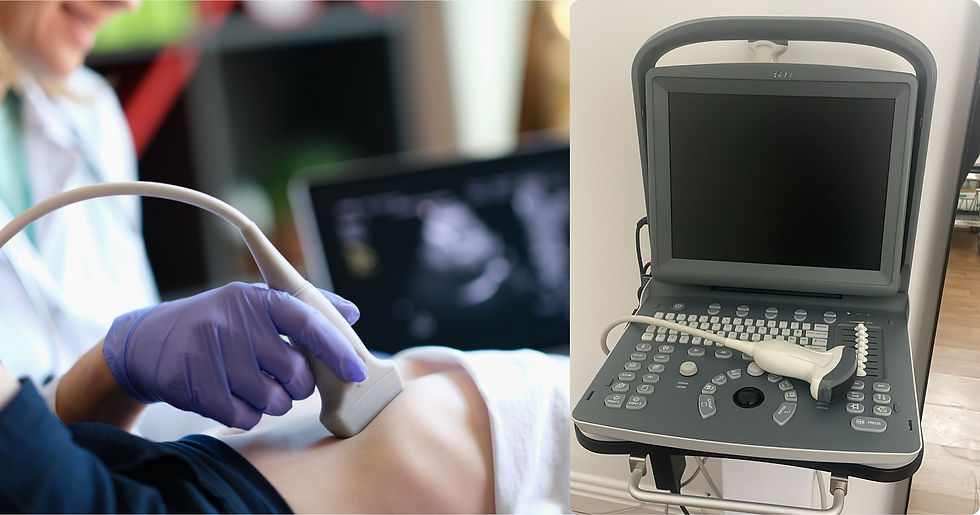
POCUS
Therapeutic ultrasound
Pain management plans
Close work with MDT members involved in care
Collaborative work with Sexologists, Psychosexual therapy, Pshycologists
Is This Something You Can Talk About?
Yes. Absolutely. Pelvic health physiotherapists are trained specifically to discuss sexual health in a clinical, professional, and non-judgemental way. You do not need to minimise your symptoms or feel embarrassed. Sexual health is health.
If pain, discomfort, or loss of function is affecting your intimate life, pelvic health physiotherapy may offer the evidence-based support you have been looking for.
> A note on multidisciplinary care: Sexual difficulties are often multifactorial. Physiotherapy addresses the physical components. Where psychological, hormonal, or relationship factors are involved, referral to the appropriate specialist will always be discussed with you.
Need Support?
Sexual difficulties are common, but they are not something you simply have to live with. Pelvic health physiotherapy offers evidence-based support in a safe, professional, and confidential environment.
Book an appointment or learn more about pelvic health services at GW Pelvic Health.


Comments